


Participation Is Replacing Attention as Advertising’s Most Valuable Signal
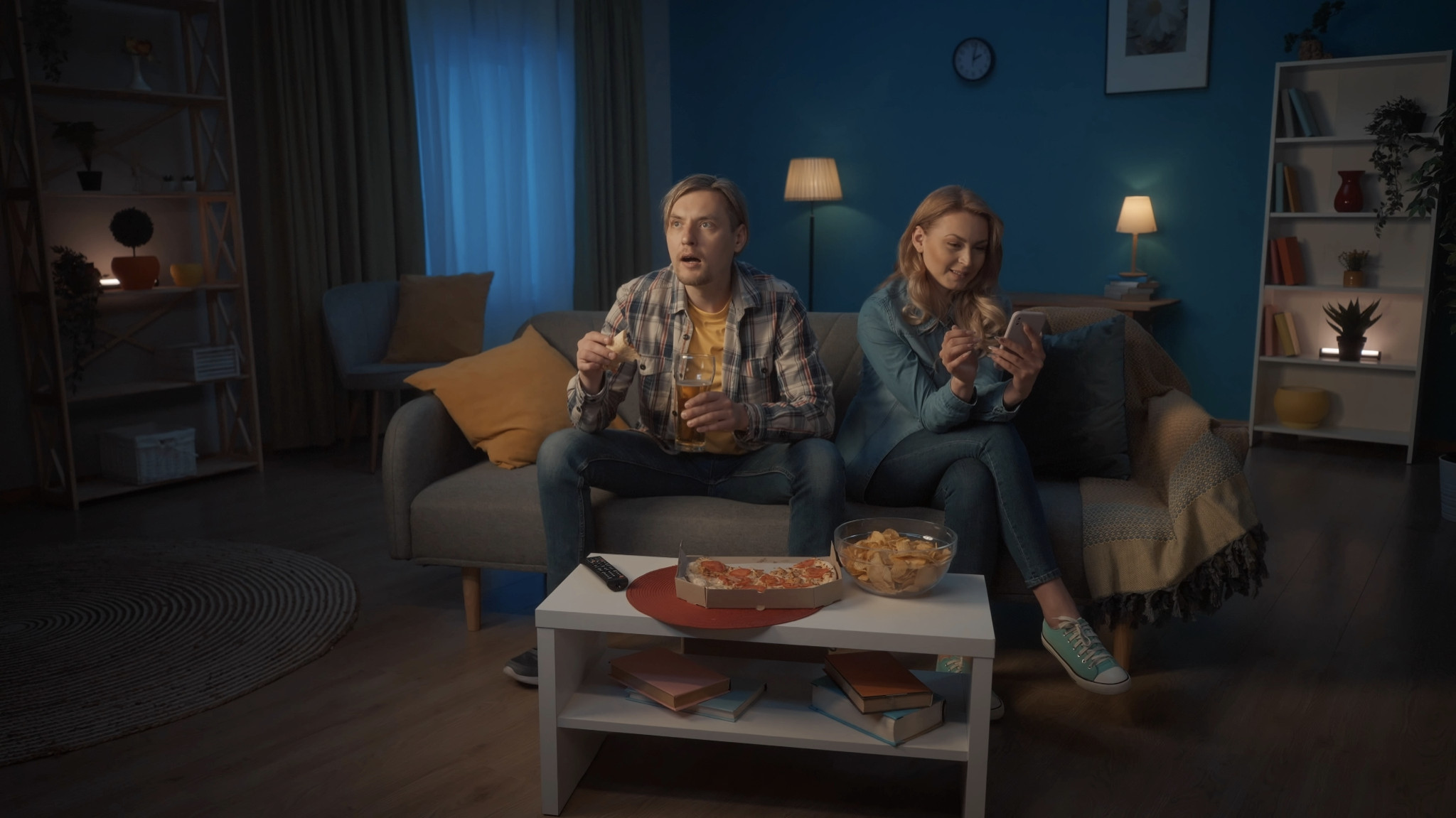
For years, advertising optimized for attention. Things like views and seconds watched. But attention no longer signals interest, let alone impact. Audiences scroll, mute, and ignore messages with ease. Active participation, by contrast, is intentional. It requires choice, effort, and motivation.
That shift is forcing the industry to confront an uncomfortable truth. Much of what’s labeled “interactive” advertising adds steps without adding value.
“Likes and shares don’t mean you’ve created a real two-way exchange,” says Gabrielle Heyman, Vice President of Global Brand Partnerships at Zynga. “Participation is different. It’s a conscious decision by the consumer to engage, and that’s a much higher bar.”
Why Attention Is Losing Its Power
The problem is many new ad formats still operate inside passive environments. Connected TV, for example, promises interactivity, but consumer behavior hasn’t caught up to the technology.
“People don’t really want to engage with their TV using a remote. But on mobile, clicking, tapping, and swiping are already second nature. The entire ecosystem is built on interaction,” Heyman explains.
Interactivity only works when it aligns with how people already behave. Adding a button, a poll, or a choice does not automatically create engagement.
“If the action doesn’t feel good to do, people won’t opt in,” Heyman says. “That usually means there’s no reward or sense of progress. Without that, interactivity becomes work, not play.”
Gaming Solved This First
“Gaming was the first environment to really figure out playable ads,” Heyman says. “And at Zynga, we’ve taken that further by applying real game mechanics to advertising, not just dropping ads into games.” This opt-in mindset fundamentally changes how advertising is experienced.
That distinction matters. Interactivity in gaming environments feels native, not disruptive. Ads that borrow the structure of play are more likely to be completed, remembered, and associated with positive sentiment.
Zynga’s advantage comes from scale and ownership. With more than 150 owned and operated games, the company applies real player behavior insights, like when people play, how they engage, and what motivates them, to the creative it builds for brands. Those learnings are embedded into Studio E, Zynga’s in-house creative group, which develops interactive formats informed by actual gameplay, not assumptions.
“We’re not guessing how users might behave,” Heyman says. “We see it every day across our portfolio, and we apply that knowledge directly to our advertising experiences.”
Interactivity Is Not One-Size-Fits-All
One of the most common misconceptions about interactive advertising is the idea that there’s a single best format. In practice, the mechanic has to match the objective.
“Different mechanics drive different outcomes,” Heyman explains. “Trivia formats tend to deliver stronger education but lower overall engagement, while fast, tap-based or race mechanics often generate very high engagement with lighter messaging.”
At Zynga, that experience shows up in the ability to recommend specific playable formats based on category, objective, and audience behavior, whether that’s a virtual trial for a beauty brand or a fast-paced race mechanic for a snack launch.
The Power of Rewarded Moments
In mobile games, players eventually hit friction points. They can stop playing, pay, or engage with a rewarded experience to continue. When a brand sponsors that moment, it changes the relationship entirely.
“When a brand enables a player to keep going, it creates immediate goodwill,” Heyman says. “You’re not interrupting the experience. You’re actively helping the player.”
That exchange creates what Heyman describes as brand halo, or a positive emotional association that’s difficult to replicate through traditional formats. Rewarded video and playable ads allow brands to participate in the experience rather than disrupt it, making the interaction feel earned instead of imposed.
Outside of gaming, this value exchange is still underutilized. Too many ads ask for attention without offering anything meaningful in return. Rewarded interactivity flips that equation by giving users a clear reason to engage.
What Success Looks Like Now
The real advantage of interactivity shows up in the mid-funnel. “Consideration, favorability, and intent to purchase are where interactive ads consistently outperform standard video,” Heyman says. “That’s where participation actually moves the needle.”
Performance outcomes still matter, but interactivity’s strength lies in moving people closer to action. Every experience also needs a clear close, whether it’s a product detail, a tune-in reminder, or a shoppable moment. “You have to close the loop,” Heyman says. “Engagement without a next step wastes the opportunity.”
Designing for Participation
As advertising shifts away from passive consumption, the brands that succeed will stop asking how to get more attention and start asking why someone would want to engage at all. Because in a world where attention is cheap, participation is the signal that still means something.
 Gabrielle Heyman, Vice President of Global Brand Sales & Partnerships
Gabrielle Heyman is a strategic business leader, currently serving as Vice President of Global Brand Sales & Partnerships for Zynga. She leads sales and marketing efforts for Zynga Ads, focusing on revenue growth across partnerships, sponsorships, and programmatic. Her mission is to connect brands with players through gamification and interactive experiences that turn player engagement into impact. She was honored with the Chief “New Era of Leadership” Award and the IAB Service of Excellence Award for her contributions to the industry.