


The Most Efficient Buy in Your Media Plan is Hiding in Plain Sight
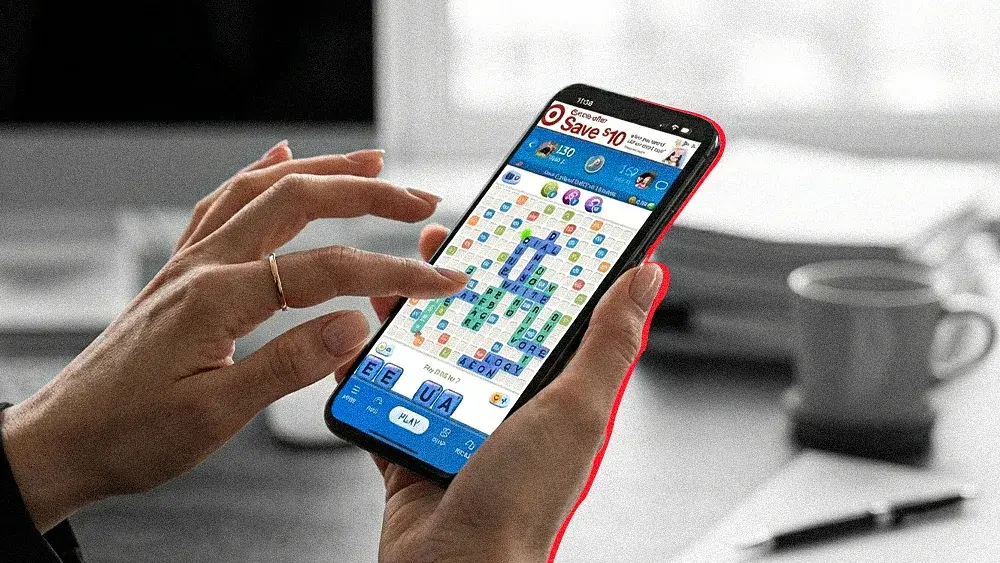
If you have a banner line item in your media plan, there is a good chance you approved it without a second thought and handed it to the algorithm. Harry Wilkins, who leads Zynga’s programmatic sales, knows this because he sees it constantly. He also knows what it’s costing you and why the fix is simpler than you’d expect.
“Buyers often bucket their standard media buys into just display and video, creating marketplaces around that concept that often obfuscate where their dollars are truly going,” he explains. “This oversimplification produces inaccurate CPM benchmarks, as well as a race to the bottom on CPM’s that produce low quality outcomes.”
It’s a habit that’s quietly draining media budgets across the industry.
The Expensive Habit No One Talks About
When buyers let the machine make the decisions, the machine doesn’t always make good ones. Spend quietly migrates toward made-for-advertising sites and gets eaten up by hidden tech fees. According to ANA programmatic benchmarks, only $439 of every $1,000 spent in open programmatic actually reaches a real consumer. The rest disappears into the supply chain.
“Time and time again, buyers throw their banners to the open internet without understanding the inventory behind it,” Wilkins says. “Cut the unnecessary hops, go direct with premium publishers through programmatic pipes, and start seeing where you’re actually getting value.”
The problem isn’t the banner. It’s where it’s landing and who it’s reaching.
Leaned In, Not Zoned Out
Reaching the right audience only matters if they are actually paying attention. Wilkins leads with two metrics that change the conversation. The first is scale: 35 million monthly active users all incremental devices to brands’ CTV and web buys. The second is attention. Using scores from DoubleVerify, Zynga’s environments, when complimented with banner, significantly exceed the threshold that qualifies as a very high performer.
“It’s always been our story that mobile gaming is a leaned-in experience,” Wilkins says. “Now we finally have a data point that proves it.”
As Wilkins explains, viewability and attention are not the same thing. A banner inside a game a player actively chose to open is a fundamentally different exposure than: an ad fighting for attention against a skip button, or a midroll ad in an episode pod that a viewer has picked up their phone to ignore. The impression is cheaper and it is landing harder.
No Primetime Required
Scale and attention at that price point would be enough, but Wilkins points to purchase proximity as the argument that tends to close the conversation entirely. A mobile-native consumer is already on the device they use to shop. The distance between ad exposure and purchase is a single session.
TV is often locked into primetime and can’t close the loop. Mobile gaming has no such constraint. A QSR brand can serve a breakfast message at 7am to someone who hasn’t eaten yet. A grocery retailer can reach a commuter heading home at 6pm with dinner still unplanned. That kind of timing delivers relevance at the exact moment it matters.
To prove the point, Wilkins shares an example of a nationally loved CPG brand, targeting females 55+, who reaped full funnel rewards when complementing their video buy with banners. Upper funnel metrics like awareness (5.7% lift) and favorability (7% lift) were all driven from the additional frequency of messaging that a banner can provide when executed correctly and in the right moment.
Rethink the Buy
Banners belong on the plan, including upper funnel campaigns, where their affordability brings down the net eCPM of the entire buy and opens up reach that other formats can’t match at the price.
“Don’t have a fixed CPM for display and video,” Wilkins says. “There is so much more variance in that inventory than buyers give it credit for. If you put a banner on a plan, the whole CPM of the plan comes down.”
Going direct with premium publishers and cutting out unnecessary supply chain hops are what separate a banner strategy that performs from one that just exists.
The most efficient buy in your media plan has been there the whole time. The question is whether you’ve been buying it right.
 Harry Wilkins | Programmatic Sales Manager at Zynga
Harry Wilkins is a Programmatic Sales Manager at Zynga with over ten years of experience in the programmatic advertising industry, a passion for gaming, and a vision for its future as a powerful channel for brand advertising. Wilkins also works closely with the IAB tech lab on advancing mobile app capabilities as a channel in the programmatic ecosystem, sitting as a co-chair on the Programmatic Governance Council.